
Comprehensive Answers to Common Inquiries About ICSI Treatment for Low Sperm Count
Understanding the Mechanism Behind ICSI
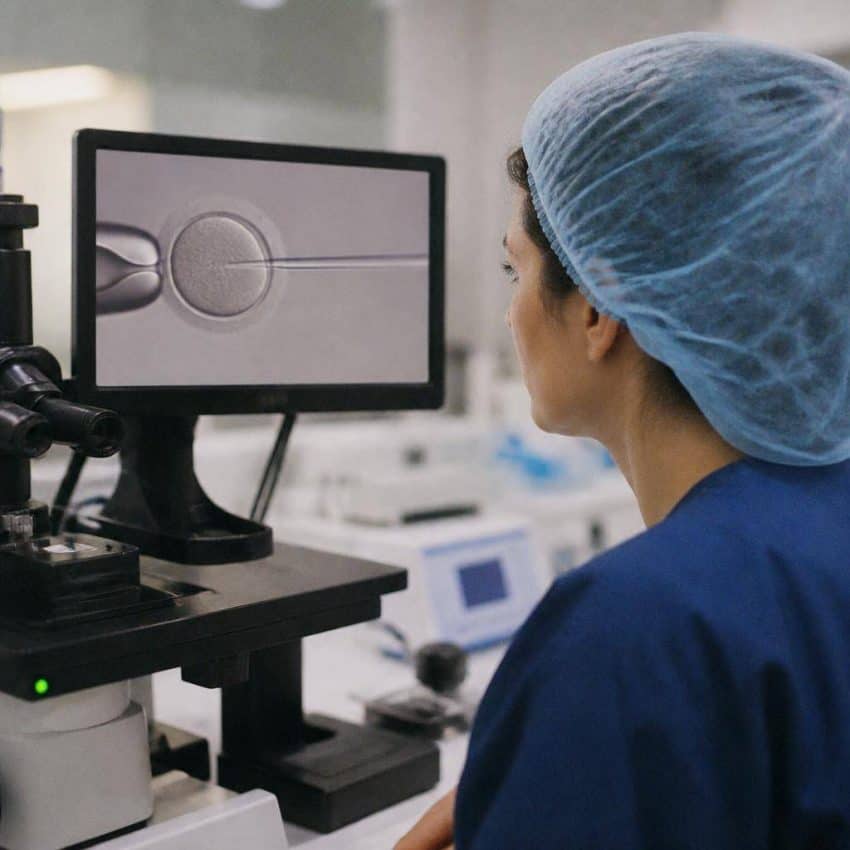
Intracytoplasmic sperm injection (ICSI) is a specialized assisted reproductive technology designed to address male infertility, particularly cases involving low sperm count. Unlike conventional in vitro fertilization (IVF), ICSI involves the direct injection of a single sperm into the cytoplasm of an egg to facilitate fertilization. This method bypasses several natural barriers, including sperm motility and the ability to penetrate the egg, making it particularly effective for severe oligospermia or azoospermia.
At the cellular level, ICSI presents an opportunity to overcome sperm-related fertilization failures by mechanically inserting spermatozoa where they can initiate embryonic development. The procedure requires highly skilled embryologists and precise micromanipulation technology to ensure successful outcomes.
Common Causes of Low Sperm Count Addressed by ICSI
Low sperm count, medically termed oligospermia, may arise from various underlying causes, including:
- Genetic factors: Chromosomal abnormalities affecting sperm production.
- Hormonal imbalances: Disruptions in testosterone or follicle-stimulating hormone levels.
- Physical obstructions: Blockages in the reproductive tract preventing sperm transport.
- Infections or inflammation: Conditions such as epididymitis or orchitis.
- Lifestyle factors: Exposure to toxins, smoking, or excessive heat.
ICSI can effectively circumvent these challenges by ensuring the sperm enters the egg regardless of count or motility limitations.
Step-by-Step Overview of the ICSI Procedure
For patients considering this treatment, understanding the procedural steps can clarify expectations:
- Ovarian stimulation: The female partner undergoes hormonal stimulation to produce multiple mature eggs.
- Egg retrieval: Mature oocytes are collected via a transvaginal ultrasound-guided procedure.
- Sperm collection and preparation: Sperm is obtained through ejaculation or surgical extraction and prepared to select the highest quality spermatozoa.
- Micromanipulation: A single sperm is immobilized and injected directly into the egg cytoplasm under microscopic guidance.
- Embryo culture: Fertilized eggs are monitored for development over several days in a controlled lab environment.
- Embryo transfer: The best quality embryos are transferred into the uterus for potential implantation.
Factors Influencing Success Rates
Several elements impact the efficacy of ICSI treatment, including sperm quality, egg maturity, and laboratory conditions. Age, especially of the female partner, remains a critical determinant, as does the expertise of the fertility clinic performing the procedure. Optimal sperm selection and careful egg handling minimize risks of fertilization failure or embryo damage.
Choosing the Right Facility for ICSI Treatment
Selecting a fertility center with advanced embryology laboratories and experienced staff is essential for achieving favorable outcomes. Clinics offering comprehensive diagnostics, tailored protocols, and patient-centered care contribute significantly to treatment success. For those seeking services within Thailand, resources specializing in male infertility treatments can provide both technical expertise and personalized support.
Patients contemplating ICSI may consider the standard approaches recommended by trusted facilities. For example, the service icsi treatment for low sperm count bangkok offers detailed counseling and advanced procedural options aligned with international best practices.
| Step | Description | Expected Outcome |
|---|---|---|
| Ovarian Stimulation | Hormonal injections to produce multiple eggs | Multiple mature oocytes for retrieval |
| Egg Retrieval | Ultrasound-guided aspiration of eggs | Collection of viable oocytes |
| Sperm Preparation | Selection of motile and morphologically normal sperm | Quality sperm ready for injection |
| ICSI Procedure | Direct injection of sperm into the egg | Fertilization initiated |
| Embryo Culture | Monitoring embryo development in vitro | Identification of viable embryos |
| Embryo Transfer | Placement of embryos into the uterus | Potential for pregnancy |
Post-Treatment Considerations and Follow-Up
After embryo transfer, patients are advised to maintain supportive care, including appropriate rest and adherence to medical guidance on medications, such as progesterone supplementation. Follow-up ultrasounds and hormone level assessments help evaluate implantation success and monitor early pregnancy development. Awareness of possible complications, although rare, is necessary to ensure prompt medical intervention if needed.
While ICSI represents a significant advancement in addressing male factor infertility, continuous evaluation and consultation with fertility specialists remain crucial to tailor treatment plans to individual clinical profiles.